
Does God Really Care What I Believe?
- The Path

- Jun 18
- 7 min read
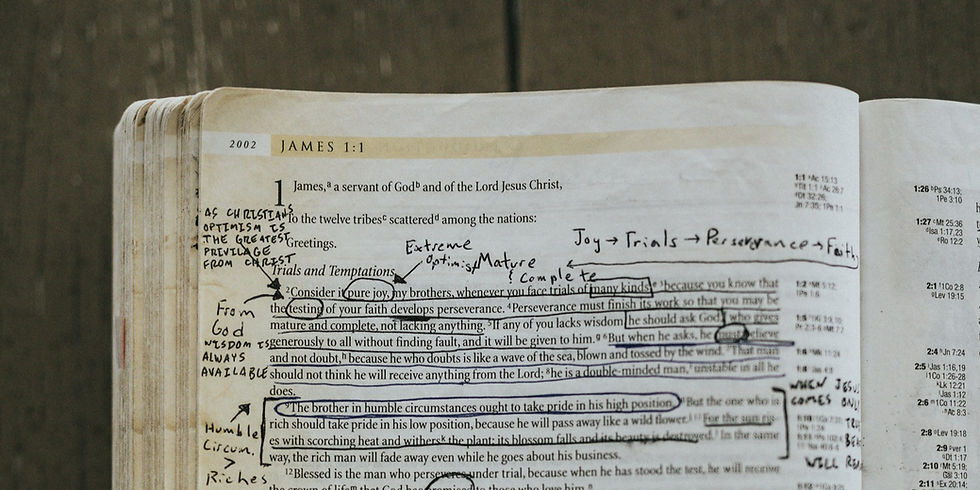
Some people hear the word theology and immediately think of arguments, textbooks, denominations, or complicated words that feel disconnected from real life.
For others, theology feels like something for pastors, professors, or people who enjoy debating doctrine online. It can seem too academic, too divisive, or too distant from the everyday struggles of following Jesus.
So it is fair to ask the question:
Does God really care what I believe?
Does it really matter what we believe about God as long as we are trying to be good people? Does doctrine actually affect daily life? Is theology really that important if we love Jesus, attend church, serve others, and try to live with kindness?
The short answer is yes.
God cares deeply about what we believe because what we believe shapes how we know Him, trust Him, worship Him, obey Him, and represent Him to the world.
Theology is not just information about God.
It is the foundation for relationship with God.
Everyone Is a Theologian
Theology simply means the study or knowledge of God. That means theology is not only for scholars or seminary students. Everyone has theology.
Every person has thoughts about who God is, what He is like, what He wants, what He has done, and how we should respond to Him.
When someone says, “God just wants me to be happy,” that is theology.When someone says, “God could never forgive me,” that is theology.When someone says, “All religions basically teach the same thing,” that is theology. When someone says, “Jesus is Lord,” that is theology.
The question is not whether we have theology.
The question is whether our theology is true.
Because if our view of God is unclear, distorted, or built mostly on feelings, assumptions, culture, or personal preference, then our lives will eventually be shaped by a version of God that may not match the God revealed in Scripture.
And that matters.
What We Believe Shapes How We Live
Beliefs are never just beliefs. They become the lens through which we interpret life.
What we believe about God shapes how we respond to suffering. If we believe God is distant or uncaring, pain may convince us that we are alone. But if we believe God is near to the brokenhearted, we can bring our grief to Him with trust.
What we believe about sin shapes how we respond to temptation. If we see sin as no big deal, we will make peace with what is destroying us. But if we believe sin separates, deceives, and wounds, we will learn to run toward grace and repentance.
What we believe about grace shapes how we respond to failure. If we believe God loves us only when we perform well, we will hide when we fall. But if we believe Jesus died for sinners, we can confess honestly and receive mercy.
What we believe about Jesus shapes everything. If He is only a good teacher, we can admire Him. But if He is Lord, we must follow Him. If He is Savior, we must trust Him. If He is risen, then hope is not wishful thinking. It is anchored in reality.
Doctrine is not separate from daily life.
It quietly shapes every part of it.
Bad Theology Can Wound People
This is one reason theology matters so much.
False or unhealthy beliefs about God do not stay theoretical. They can damage souls, distort worship, excuse sin, create fear, and mislead people about the heart of God.
If someone believes God is harsh, impatient, and impossible to please, they may spend their life trying to earn love that God gives by grace.
If someone believes God does not care about holiness, they may treat forgiveness as permission to keep living in bondage.
If someone believes suffering always means God is punishing them, they may misunderstand His presence in pain.
If someone believes Jesus is optional, they may miss the very One through whom salvation is found.
This is why the New Testament repeatedly warns against false teaching. Paul tells Timothy to “watch your life and doctrine closely” (1 Timothy 4:16). Jude urges believers to “contend for the faith that was once for all delivered to the saints” (Jude 3). Jesus Himself warns that not everyone who uses religious language truly knows Him (Matthew 7:21–23).
God cares about truth because God cares about people.
Theology is not about winning arguments. It is about knowing the real God and helping others know Him too.
Love and Truth Belong Together
Some people are hesitant to talk about theology because they have seen doctrine used without love.
They have seen people use truth as a weapon. They have watched Christians argue loudly about theology while lacking humility, patience, or compassion. They have seen people care more about being right than being Christlike.
That is a real problem.
But the answer to loveless theology is not less theology. It is better theology.
Because if our theology is truly biblical, it should make us more humble, not more arrogant. More loving, not more harsh. More worshipful, not more argumentative. More faithful, not more self-righteous.
Ephesians 4:15 calls believers to speak “the truth in love.” We do not have to choose between truth and love. God calls us to both.
Truth without love can become cold and cruel.Love without truth can become shallow and misleading.
But in Jesus, we see both perfectly.
John 1:14 says Jesus came “full of grace and truth.” He did not soften truth to be accepted, and He did not abandon grace to prove a point. He revealed God with perfect clarity and perfect compassion.
That is the kind of theology we need.
Theology Should Lead Us to Worship
The goal of theology is not merely to know more facts about God. The goal is to know God more truly.
If theology does not lead us to worship, wonder, obedience, love, and surrender, then we are missing the point.
The apostle Paul could write deeply about doctrine, but his theology often turned into praise. After reflecting on the wisdom and mercy of God, he writes, “Oh, the depth of the riches and wisdom and knowledge of God!” (Romans 11:33).
That is what good theology does.
It does not make God smaller. It helps us see that He is greater than we imagined.
Theology teaches us that God is holy, so we approach Him with reverence.It teaches us that God is loving, so we approach Him with confidence.It teaches us that God is sovereign, so we trust Him when life feels uncertain. It teaches us that God is merciful, so we come to Him when we have sinned.It teaches us that God is faithful, so we keep holding on when we feel weak.
The more clearly we see God, the more rightly we can worship Him.
Sincerity Is Not Enough
One common idea in our culture is that sincerity matters more than truth.
We often hear things like, “As long as you are sincere, that is what matters.” And sincerity does matter. God is not interested in fake faith or empty religious performance.
But sincerity alone is not enough.
A person can be sincerely wrong. A person can sincerely believe something that leads them away from God’s Word. A person can sincerely trust in something that cannot save.
This is why Scripture calls us not only to sincerity, but to truth.
Jesus says in John 8:31–32, “If you abide in my word, you are truly my disciples, and you will know the truth, and the truth will set you free.”
Truth matters because freedom matters.
God does not give us truth to burden us. He gives us truth to free us from lies, confusion, fear, and false hope.
Theology Is Not a Replacement for Relationship
At the same time, we need to be clear: knowing correct doctrine is not the same as truly knowing God.
A person can know biblical terms, quote Scripture, defend doctrine, and still have a heart that is far from God.
Theology is essential, but it is not meant to replace prayer, love, obedience, repentance, or dependence on the Holy Spirit. It is meant to deepen them.
Knowing about God should lead us to walk with God.
The Pharisees in Jesus’ day knew Scripture, but many missed the Savior standing in front of them. Jesus told them, “You search the Scriptures because you think that in them you have eternal life; and it is they that bear witness about me” (John 5:39).
That is a sobering warning.
We do not study truth so we can feel superior. We study truth so we can see Jesus more clearly, trust Him more deeply, and follow Him more faithfully.
What Should We Do With Theology?
If theology matters, then we should approach it with humility and hunger.
We should read Scripture carefully, not casually. We should be willing to have our assumptions corrected by God’s Word. We should ask hard questions without demanding that God fit neatly into our preferences. We should listen to faithful teaching. We should avoid building our beliefs only on social media clips, popular opinions, or personal experiences.
And we should remember that the goal is not to become people who merely win debates.
The goal is to become people who know God, love God, and live in a way that reflects Him.
Theology should make us more stable in suffering, more discerning in confusion, more repentant when confronted, more joyful in worship, more faithful in obedience, and more gracious toward others.
Right belief should produce right worship and right living.
The Better Question
So, does God really care what I believe?
Yes.
Because God cares about truth. God cares about worship. God cares about your heart.God cares about your freedom.God cares about how His people represent Him. God cares about whether we are following the real Jesus or a version of Jesus shaped by our culture, preferences, or pain.
But God does not care about theology because He wants us to become cold, argumentative, or proud.
He cares because He wants us to know Him as He truly is.
And when we know Him more truly, we can love Him more deeply.
So do not be afraid of theology. Do not treat it as something distant from everyday faith. Theology is for every believer because God is for every believer.
The question is not whether theology matters.
The question is whether our view of God is being shaped by His Word, or by everything else.
A Closing Prayer
Father, help us know You as You truly are. Give us humility to be corrected, wisdom to discern truth, and hearts that love You more deeply. Keep us from pride, confusion, and shallow belief. Let our theology lead us to worship, obedience, and greater trust in Jesus. Amen.
Join us this Sunday at The Path Church in Atlanta and grow with a community committed to staying faithful and on mission. Get connected today!


